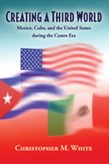
Mexico, Cuba, and the United States During the Castro Era
The relationship between Mexico and Cuba grabbed international headlines early in the twenty-first century due to a rift in a relationship generally understood to be unique, special, and friendly since Fidel Castro's rise to power in Cuba in 1959. Much of the goodwill between the two countries existed because Mexico retained its allegiance to Cuba ......
American Military Families Overseas and the Cold War, 1946-1965
As thousands of wives and children joined American servicemen stationed at overseas bases in the years following World War II, the military family represented a friendlier, more humane side of the United States' campaign for dominance in the Cold War. This title tells the story of Cold War diplomacy.
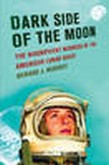
The Magnificent Madness of the American Lunar Quest
Exposing the truth behind one of the most revered fictions of American history, Dark Side of the Moon explains why the American space program has been caught in a state of purposeless wandering ever since Neil Armstrong stepped on the moon.
A new study of the Chicano/a movement, 'El Movimiento,' and its multiple ideologies from a broad cultural perspective. The late 1960s marked the first time US society witnessed Americans of Mexican descent on a national stage as self-determined individuals and collective actors rather than second-class citizens. George Mariscal's book examines the ......
Presents a collection of essays that examines the diverse lives of women who helped to shape religion, sports, literature, and music, among other aspects of the cultural hodgepodge known as the sixties.
With Jackie in a pill-box hat and Marilyn crooning to the president, the 1960s opened with women hovering at the fringes of the public imagination - and ended with a feminist movement that outpaced anything NASA could concoct. A compelling story, but did it really happen that way? Yes and no, argue Lauri Umansky and Avital Bloch.
New Buffalo was one of the most successful of the collective farms that dotted the country in the 1960s and 1970s. Arthur Kopecky's journals take us back to that era as he and his comrades wend their way to the area near Taos, New Mexico, where they encounter magic, wisdom, a mix of people, the Peyote Church, planting, and hard winters. The ......
This text examines the many purposes of assessment in early literacy development. Issues in early literacy assessment, assessment material, the purposes of literacy assessment, government policy, practice in schools, baseline assessment of literacy, and the need for new research measures of early literacy are all recurrent themes in the book. The author reviews and discusses three decades of policy and practice in assessing literacy development in the years three to five - from recognizing in the late 1960s that literacy in these years exists, to proposals in 1997 for official assessment of literacy at five years. "Recognising Early Literacy Development" reviews and evaluates a large number of existing texts and assessment instruments, and some LEA baseline assessment documents. The author considers the theoretical, political and educational purposes of literacy assessment, and discusses assessment practices as found in an original survey of assessment practice in one LEA. She explores the need for a new approach to measurement for research, which is more attuned to assessment for teaching, and the importance of appropriate approaches to finding out what young children know about literacy. The book includes the Sheffield Early Literacy Development Profile.