New Readings on Etiology, Prevention, and Treatment
Contains articles that describe a wide range of biological, psychological, and social approaches to researching and treating addictive behaviors. This book is of interest to clinical health psychologists and other mental health professionals from graduate students to seasoned clinicians and researchers.
The Casebook of Psychosomatic Medicine brings to life the patients whom psychosomatic medicine serves and the variety of challenges they face -- classic psyche--soma involvement; psychotic attributions to physical illness; catastrophic events and injuries; major systemic medical challenges with comorbid psychopathology; and more.
Female-Focused Strategies for Self-Improvement and Change-Pathways to Responsible Living
This Provider's Guide is an adjunct to the best-selling Criminal Conduct and Substance Abuse Treatment. This text is specifically designed to meet the needs of practitioners working with female substance abusers.
Grounded in knowledge about the biopsychosocial processes involved in addictive behaviors, this book presents research-based, practical strategies for assessing the treatment needs and ongoing clinical outcomes of individuals who have problems with substance use and nonchemical addictions.
Describes contemporary applications of contingency management principles across a wide range of substance use disorders and patient populations. Featuring illustrative case material, this book presents practical strategies for targeting major drugs of abuse and working with specific populations, including adolescents, and pregnant women.
An Introduction to the Evidence-Based Practice Movement
This book is an attempt to bridge the gap between research on substance abuse treatment programs and what actually goes on in the field of substance abuse treatment. It is aimed at both the academic and practitioner market (as is Perkinson) and it clearly describes how to determine what evidence based practice is and it addresses some of the challenges that practioners and agency directors might face in implementing EBP. The book is well-written and highly practical. It contains two complete case studies that outline two examples of Evidence based practice which will be particularly useful in the course market.
An Introduction to the Evidence-Based Practice Movement
This book is an attempt to bridge the gap between research on substance abuse treatment programs and what actually goes on in the field of substance abuse treatment. It is aimed at both the academic and practitioner market (as is Perkinson) and it clearly describes how to determine what evidence based practice is and it addresses some of the challenges that practioners and agency directors might face in implementing EBP. The book is well-written and highly practical. It contains two complete case studies that outline two examples of Evidence based practice which will be particularly useful in the course market.
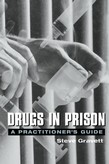
This user-friendly handbook provides valuable information for practitioners about drug misuse and focuses on current practice in a custodial situation. It is an easy to use guide, including an extensive index and useful appendices and incorporating case studies and checklists that reinforce key learning points. "Drugs in Prison" is a comprehensive and essential handbook for all practitioners and students with an interest in penal drugs policy.
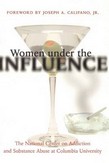
This comprehensive and accessible book documents the physical and emotional effects of substance abuse in girls and women, explores the role of the advertising and entertainment industries in popularizing various substances of abuse, and discusses the way America responds to this enormous health problem. Covering a broad range of ......