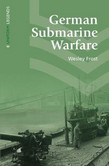
Although naval development before World War II focused on aircraft carriers, the British nevertheless had seventy battleships--larger and more powerful than ever before--under construction when war broke out in 1939.
From the author of We Die Alone, The Shetland Bus recounts the hundreds of crossings of small boats from the Shetland Islands to German-occupied Norway to supply arms to the Resistors and to rescue refugees--all under constant threat by German U-boats and winter storms.
Before Raffles, before Rajah Brooke, there was Francis Light, the 18th-century trailblazer in the Malay Archipelago. His subsequent adventures as a naval officer and merchant sea captain take him from India to Sumatra, the Straits of Malacca to Siam, through shipwreck, sea battles, pirate raids and tropical disease.
War, Politics, and Institutional Crisis, 1945-1952
The compelling history of how the US Marines and their allies fought to preserve the Corps and establish its role in national defense. Only five years after Marines raised the American flag on Iwo Jima, the United States Marine Corps was close to becoming a hollow force. A parsimonious Truman administration and a hostile defense secretary, Louis ......
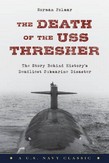
The Story Behind History's Deadliest Submarine Disaster
When she first went to sea in April of 1961, the nuclear submarine U.S.S. Thresher was the most advanced submarine at sea, built specifically to hunt and kill Soviet subs. In The Death of the USS Thresher, renowned naval and intelligence consultant Norman Polmar recounts the dramatic circumstances surrounding her mysterious implosion, which killed ......
Explores the role of naval power and maritime trade in creating the modern international system. This book is both a history of maritime strategy, sea power, and seaborne commerce from the nineteenth century to the present day and an examination of current strategic issues.
Surigao Strait in the Philippine Islands was the scene of a major battleship duel during the Battle of Leyte Gulf. Because the battle was fought at night and had few survivors on the Japanese side, the events of that naval engagement have been passed down in garbled accounts. Anthony P. Tully pulls together all of the existing documentary ......
Stories from the Men & Ships of the Royal Navy in the Second World War
Over 120 first hand stories of life at sea with the Royal Navy from both men and women who served All taken from the Imperial War Museum's audio archive Major UK publicity and marketing campaign
A Study of its Methods and Spirit, Including the Crime of the Lusitania
First published in 1918, this book is a record of observations and evidence compiled by the then US Consul in Queenstown, Eire. A rare study from first-hand accounts