The increasing reliance on private security services raises questions about the effects of privatization on the quality of public police forces, particularly in high-crime, low-income areas. This title offers two different perspectives on this trend towards privatization.
Whilst police reform is a major concern thro ughout the world, How to Recognise Good Policing provides a practical way of assessing and evaluating present structures and is based on the findings of acknowledged experts in the field. '
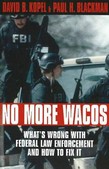
What's Wrong With Federal Law Enforcement and How to Fix It
Waco and Ruby Ridge were neither conspiracies nor flukes. They represent the worst-case scenario of problems that plague federal law enforcement. This book outlines the evidence in such cases to explain how and why such tragedies occur. It analyses different sides of this subject such as flawed search warrants, and intra-governmental deception.
The "gun control" is a red herring that has been deflecting attention from the true causes of crime, namely, the breakdown of the family; failed social welfare programs; and increasing hopelessness among male youths, especially in our troubled inner cities. This book features chapters which address major issues in the gun-control debate.
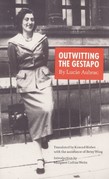
Lucie Aubrac (1912-2007), of Catholic and peasant background, was teaching history in a Lyon girls' school and newly married to Raymond, a Jewish engineer, when World War II broke out and divided France. The couple, living in the Vichy zone, soon joined the Resistance movement in opposition to the Nazis and their collaborators. Outwitting the ......
Providing a clear picture of trends amongst progressive police authorities, researchers from North America and the United Kingdom address the fundamental question - whether community policing is set to fulfil its many promises. Using both qualitative and quantitative methods, the authors present a thorough evaluation of the social and organizational processes involved in planning and implementing community policing as well as the effects of such programmes and policies on the police and the community itself.
The Community Patrol Officer Program (CPOP), launched in New York in 1984, was designed to solve problems at the community level through the neighbourhood patrol officer. The authors of this volume present the research and findings of the CPOP. The multi-dimensional role the police officers were expected to play is examined and issues such as the effectiveness of the officers in implementing their new role, the obstacles they encountered, the attitudes of the officers and the perceptions of the community are explored. The book also suggests measures for improving and implementing similar programmes.