Reflective practice is a key element of both police training and police practice in the 21st century. This text provides an essential guide to reflective practice for all those studying for degrees and foundation degrees in policing. Taking an accessible and practical approach, the book considers four broad areas. It looks at what reflective practice is, including practical models of reflection, and discusses why it is important. It examines reflective practice within the specific context of policing through a range of case studies and examples, and considers the vital role of reflective practice as part of continuing professional development.
From its beginnings in England as a constabulary, intended only to keep the peace rather than to make arrests, policing has had a tumultuous, controversial history. The police represent an essential law enforcement entity to some, while others see police officers as often corrupt, prone to unfair racial profiling, and quick to use unnecessary force. Police and Law Enforcement examines many aspects of policing in society, including their common duties, legal regulations on those duties, problematic policing practices, and alternatives to traditional policing. Topics in this volume include such hotly debated topics as accountability, arrest practices, bounty hunters, entrapment, Miranda warnings, police privatization, profiling, vigilantes, and zero-tolerance policing. The 20 chapters present the most hotly contested debates and offer solutions to potential and perceived problems. The Series: The five brief, issues-based books in SAGE Reference's Key Issues in Crime & Punishment Series offer examinations of controversial programs, practices, problems or issues from varied perspectives. Volumes correspond to the five central subfields in the Criminal Justice curriculum: Crime & Criminal Behavior, Policing, The Courts, Corrections, and Juvenile Justice. Each volume consists of approximately 20 chapters offering succinct pron examinations, and Recommended Readings conclude each chapter, highlighting different approaches to or perspectives on the issue at hand. As a set, these volumes provide perfect reference support for students writing position papers in undergraduate courses spanning the Criminal Justice curriculum.
This text provides an accessible and up to date guide to study skills for all those undertaking degrees and foundation degrees in policing. It will also be relevant to degree courses in criminology and criminal justice. Efficient study skills pave the way to successful learning. This book helps policing students with all aspects of their studies including identifying how they learn best, effective note-taking, how to be critical and analytical in their reading, writing and thinking, how to carry out research and writing a final dissertation.
This text provides an accessible, up-to-date and thought-provoking introduction to policing for all those undertaking degrees and foundation degrees. It aims not only to inform students and prepare them for their course, but also to expose them to some of the challenges they will face as they begin their studies and/or policing careers. This book is the essential foundation for the Policing Matters series, explaining what policing is, what the police do, the context for policing and what are the main issues it faces and challenges it poses.
The rapid development of modern technologies is having profound implications on modern-day policing. Recent innovations include the proliferation of sophisticated communication and surveillance devices, developments in road traffic and crime investigation techniques, personal safety equipment, the internet and network and computer forensics, all of which are accompanied by often complex new legislative and regulative requirements. This book ensures that policing students are fully informed and completely up to date with changes, and understand the implications and impact that changing technology brings to practice. Each chapter includes clear objectives, links to the NOS, practical and reflective tasks, case studies and summaries.
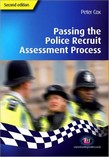
This practical and accessible book is an essential purchase for anyone applying to become a police officer. With competition for jobs increasing, thorough preparation prior to assessment is more important than ever. This book is full of clear advice and guidance as well as providing essential practice in all areas of the recruitment process, from completing the application form, excelling at the written and verbal exercises, to passing the psychometric tests. Carefully structured around the seven core competencies assessed during recruitment, the book reinforces the skills and understandings necessary to become a police officer while increasing individual confidence and competence.
Equality and Diversity is a key theme on all policing degree courses. The book starts by contextualising equality and diversity within the legislative and policy framework. It then examines the recent historical context by outlining some of the difficulties and criticisms that the police have faced in dealing with matters of equality and diversity. It considers diversity, not only in terms of how the police relate to the general public, but also how diversity issues impact on police careers and occupational culture.
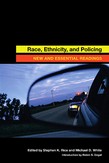
Includes essays that provide the reader with a comprehensive, even-handed sense of the theoretical underpinnings, methodological challenges, and research necessary to understand the problems associated with racial and ethnic profiling and police bias.
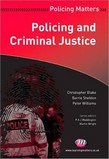
This text provides an accessible and up-to-date introduction to criminal justice for all those undertaking degrees and foundation degrees in policing. It will also be relevant to degree courses in criminology and criminal justice. The book provides a holistic overview of the Criminal Justice System (CJS) and an exploration of the roles of key players within the system and how the police interact with these organisations. It examines some of the principles that underpin the 'modernisation' of the police, in particular how the police service collaborates with partner agencies and the rationale associated with the Change Agenda.