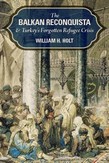
During the Russo-Ottoman War of 1877-1878, Russian troops, Cossack auxiliaries, and local Bulgarians participated in what today would be called ethnic cleansing. Tensions in the Balkans between Christians and Muslims ended in disaster when hundreds of thousands of Muslims were massacred, raped, and forced to flee from Bulgaria to Turkey as their ......
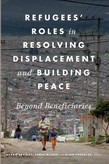
How are refugee crises solved? This has become an urgent question as global displacement rates continue to climb, and refugee situations now persist for years if not decades. The resolution of displacement and the conflicts that force refugees from their homes is often explained as a top-down process led and controlled by governments and ......
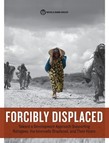
toward a development approach supporting refugees, the internally displaced, and their hosts
The Syrian refugee crisis has galvanized attention to one of the world's foremost challenges: forced displacement. The total number of refugees and internally displaced persons, now at over 65 million, continues to grow as violent conflict spikes.This report, Forcibly Displaced: Toward a Development Approach Supporting Refugees, the Internally ......
Photographs of discarded items such as toothbrushes, playing cards, worn-out trainers, teargas canisters and children's dolls present an alternative portrait of residents of 'The Jungle' refugee camp in Calais, France.
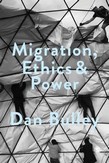
In 2014, the ethics and politics of hospitality were brought into stark relief. Three years into the Syrian conflict, which had already created nearly 2.5 million refugees and internally displaced 6.5 million, the UN called on industrialised countries to share the burden of offering hospitality through a fixed quota system. The UK opted out of the system whilst hailing their acceptance of a moral responsibility by welcoming only 500 of the 'most vulnerable' Syrians. Given the state's exclusionary character, what opportunities do other spaces in international politics offer by way of hospitality to migrants and refugees? Hospitality can take many different forms and have many diverse purposes. But wherever it occurs, the boundaries that enable it and make it possible are both created and unsettled via exercises of power and their resistance. Through modern examples including refugee camps, global cities, postcolonial states and Europe, as well as analysis of Derridean and Foucauldian concepts, Migration, Ethics and Power explores: The process and practice of hospitality The spaces that hospitality produces The intimate relationship between ethics and power This is a brilliantly contemporary text for students of politics, international relations and political geography.
In 2014, the ethics and politics of hospitality were brought into stark relief. Three years into the Syrian conflict, which had already created nearly 2.5 million refugees and internally displaced 6.5 million, the UN called on industrialised countries to share the burden of offering hospitality through a fixed quota system. The UK opted out of the system whilst hailing their acceptance of a moral responsibility by welcoming only 500 of the 'most vulnerable' Syrians. Given the state's exclusionary character, what opportunities do other spaces in international politics offer by way of hospitality to migrants and refugees? Hospitality can take many different forms and have many diverse purposes. But wherever it occurs, the boundaries that enable it and make it possible are both created and unsettled via exercises of power and their resistance. Through modern examples including refugee camps, global cities, postcolonial states and Europe, as well as analysis of Derridean and Foucauldian concepts, Migration, Ethics and Power explores: The process and practice of hospitality The spaces that hospitality produces The intimate relationship between ethics and power This is a brilliantly contemporary text for students of politics, international relations and political geography.