This is the definitive practical introduction to a skills-based approach in existential therapy. Accessible for those without a philosophical background, it describes the concrete and tangible skills, tasks and interactions of existential practice. It covers the theoretical background and history of existential therapy, along with taking a phenomenological approach to practice and individual clients. This second edition has been thoroughly updated to reflect recent thinking, and expanded to include: * A new chapter on the applications of existential therapy in wider contexts, such as supervision and coaching. * A new chapter covering professional issues and challenges, such as working in the NHS, engaging with research and the use of the Internet in existential therapy. * A companion website which includes video content, featuring the authors explaining each chapter's underpinning theory, and demonstrating the principles in practice. A much needed resource for trainees as well as experienced practitioners keen to expand their knowledge, the authors make the existential approach accessible to all those who wish to find out what it has to offer.
Embodied Liturgy marks a "return to the body" in thinking about Christian liturgy and sacramental practice. The volume explores the content of liturgical theology, examining the offices of prayer, the church's liturgical calendar, sacraments and sacramental theology, word and sacramental liturgy, ritual studies, music and art, and cultural issues.
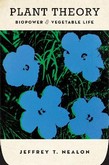
In our age of ecological disaster, this book joins the growing philosophical literature on vegetable life to ask how our present debates about biopower and animal studies change if we take plants as a linchpin for thinking about biopolitics. Logically enough, the book uses animal studies as a way into the subject, but it does so in unexpected ......
Volume 35 of Heidegger's Complete Works comprises a lecture course given at the University of Freiburg in 1932, five years after the publication of Being and Time. During this period, Heidegger was at the height of his creative powers, which are on full display in this clear and imaginative text. In it, Heidegger leads his students in a close ......
Philosophical Explication of Theological Commitment in Modern Cosmology
Deals with existential and phenomenological reflection upon modern cosmology with the aim to reveal hidden theological commitments in cosmology related to the mystery of human existence.
'A concise introduction to existential counselling is a superb addition to the literature on existential counselling and psychotherapy. Martin Adams provides an excellent overview of the field for those who are new to it at the same time as distilling key features in a way which will be valuable for experienced practitioners' - Meg Barker, Senior Lecturer in Psychology at the Open University A Concise Introduction to Existential Counselling is just that: a brief and accessible pocket guide to the underlying theory & practice of the existential approach. Addressing everything a new trainee needs to know and do in a way that is entirely accessible and jargon-free, this book: - Provides a short history of the existential tradition - Puts key concepts into contexts, showing how theory translates into practice - Discusses issues in the therapeutic process - Shows how to work effectively with whatever the client brings to the session - Addresses the significance of existential thought in the wider world This book will be the perfect companion to new trainees looking to embark on their path to thinking and practicing existentially. Martin Adams is a practitioner and supervisor in private practice and a Lecturer at the New School of Psychotherapy and Regents College, both in London.
In Four Seminars, Heidegger reviews the entire trajectory of his thought and offers unique perspectives on fundamental aspects of his work. First published in French in 1976, these seminars were translated into German with Heidegger's approval and reissued in 1986 as part of his Gesamtausgabe, volume 15. Topics considered include the Greek ......
Edith Stein was one of the important early phenomenologists. A German-Jewish philosopher, Discalced Carmelite nun, martyr, and saint who died in Auschwitz, Stein participated in the early 20th century revival of scholasticism and was much admired by John Paul II. ""Thine Own Self"" focuses on Stein's later writings and in particular her magnum ......
Phenomenological Interpretations of Aristotle, the text of a lecture course presented at the University of Freiburg in the winter of 1921-22, was first published in 1985 as volume 61 of Heidegger's collected works. Preceding Being and Time, the work shows Heidegger introducing novel vocabulary as he searches for his genuine philosophical voice. ......