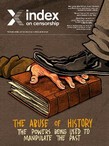
The latest magazine explores how a new phase in the use and abuse of history is happening around the world, how leaders are manipulating historical narratives to bolster their political support or build up their image. With reports from South Africa, Colombia, Japan, China, Spain and Turkey among others. Includes interviews with Margaret McMillan, Neil Oliver and Lucy Worsley, plus how history is back in schools in Colombia, and how families of the forgotten victims of Spain's General Franco are still fighting for recognition. Plus an interview with comedian Mark Thomas, an article by actor Simon Callow about censorship in theatre, and a new short story by award-winning novelist Christie Watson.
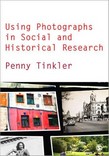
Sophisticated, original and comprehensive, this book investigates photographic research practices and the conceptual and theoretical issues that underpin them. Using international case studies and 'behind the scenes' interviews, Penny Tinkler sets out research practices and explores the possibilities, and challenges, of working with different methods and photographic sources. The book guides the reader through all aspects of doing photographic research including practical issues and ethical considerations. Key topics include: - Working with images - Generating photos in research - Managing large archives and digital databases - Reviewing personal photos - Photo-elicitation interviews Written in a clear, accessible style, this dynamic book is essential reading for students and researchers working with photographs in history and the social sciences.
Sophisticated, original and comprehensive, this book investigates photographic research practices and the conceptual and theoretical issues that underpin them. Using international case studies and 'behind the scenes' interviews, Penny Tinkler sets out research practices and explores the possibilities, and challenges, of working with different methods and photographic sources. The book guides the reader through all aspects of doing photographic research including practical issues and ethical considerations. Key topics include: - Working with images - Generating photos in research - Managing large archives and digital databases - Reviewing personal photos - Photo-elicitation interviews Written in a clear, accessible style, this dynamic book is essential reading for students and researchers working with photographs in history and the social sciences.
The SAGE Handbook of Historical Theory introduces the foundations of modern historical theory and the applications of theory to a full range of sub-fields of historical research, bringing the reader as up to date as possible with continuing debates and current developments. The book is divided into three key parts, covering: - Part I. Foundations: The Theoretical Grounds for Knowledge of the Past - Part II. Applications: Theory-Intensive Areas in History - Part III. Coda. Post-Postmodernism: Directions and Interrogations. This important handbook brings together, in one volume, discussions of modernity, empiricism, deconstruction, narrative and postmodernity in the continuing evolution of the historical discipline into our post-postmodern era. Chapters are written by leading academics from around the world and cover a wide array of specialized areas of the discipline, including social history, intellectual history, gender, memory, psychoanalysis and cultural history. The influence of major thinkers such as Jacques Derrida, Michel Foucault and Hayden White is fully examined. This handbook is an essential resource for practising historians, and students of history, and will appeal to scholars in related disciplines in the social sciences and humanities who seek a closer understanding of the theoretical foundations of history.
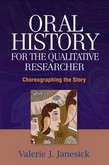
Oral history is a way to capture ordinary people's lived experiences. This book introduces the full array of oral history research methods and invites students and qualitative researchers to try them out in their own work.
As collective history becomes more tightly bound with personal narratives, the lines between history, memory, and commemoration have blurred. When history is inconvenient to a specific group, it is often compromised - watered down for public consumption. The articles in this special collection of The ANNALS examine what happens when scholars concentrate on an unsavory part of a collective history. Across the globe, the past gets politicized - used and misused. The articles in this volume focus on the political dynamics of confronting the publication of disagreeable findings about collective pasts. Most contributions cover a specific country or regional study where historical records are at odds with the collective story that has been embraced. The details of these highlighted conflicts vary, yet readers will notice striking similarities in the ways that contentious facts are handled by the collective society: Substantial delays in confronting an unpalatable aspect of the past Challenges to the motives, integrity, or loyalty of the messengers Attempts to quarantine information that is damaging to the established histories Taken together, this collection of articles explicate and analyze the myriad of ways that history has been politicized. Focusing on the tensions between differing conceptions of related histories and what happens when the self-concepts of two groups collide in the same narrative space, this provocative volume of The ANNALS raises many important questions. Researchers, students, and policy makers will find these articles, which challenge many accepted historical scripts, offer important insight into the way that politics have shaped history and will encourage new research and inspire further revision and ongoing reframing.
Until recently, history writing has been understood as a male enclave from which women were restricted, particularly prior to the nineteenth century. The first book to look at British women writers and their contributions to historiography during the long eighteenth century, British Women Writers and the Writing of History, 1670-1820, asks why, ......
From Reliable Sources is a lively introduction to historical methodology, an overview of the techniques historians must master in order to reconstruct the past. Its focus on the basics of source criticism, rather than on how to find references or on the process of writing, makes it an invaluable guide for all students of history and for anyone who ......