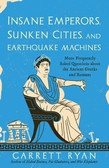
More Frequently Asked Questions about the Ancient Greeks and Romans
In a series of short and humorous essays, Insane Emperors, Sunken Cities, and Earthquake Machines features more answers to questions that ancient historian Garrett Ryan is frequently asked in the classroom, in online forums, and on his popular YouTube channel Told in Stone.
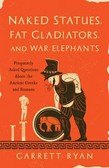
Frequently Asked Questions About the Ancient Greeks and Romans
Why didn't the ancient Greeks or Romans wear pants? How did they shave? How likely were they to drink fine wine, use birth control, or survive surgery? In a series of short and humorous essays, Naked Statues, Fat Gladiators, and War Elephants explores some of the questions about the Greeks and Romans that ancient historian Garrett Ryan has ......
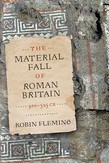
Although lowland Britain in 300 CE had been as Roman as any province in the empire, in the generations on either side of 400, urban life, the money economy, and the functioning state collapsed. Many of the most quotidian and fundamental elements of Roman-style material culture ceased to be manufactured. Skills related to iron and copper smelting, ......
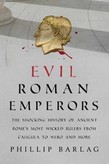
The Shocking History of Ancient Rome's Most Wicked Rulers from Caligula to Nero and More
"Evil Roman Emperors puts the worst of Romes rulers in one place and offers a review of their lives and a historical context for what made them into what they became. It concludes by ranking them, counting down to the worst ruler in Romes long history"--
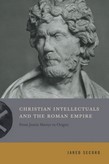
A novel treatment of a group of early Christian authors, demonstrating that their behavior and self-presentation were shaped by the norms of Roman intellectual culture, and not simply by factors internal to Christianity.
A selection of the most important sources for the cultural and political context of the early Roman Empire and the New Testament writings, Roman Imperial Texts includes freshly translated public speeches, official inscriptions, annals, essays, poems, and documents of veiled protest from the Empire's subject peoples
Women and Resistance in the Annals of Tacitus explores how Tacitus often represents a Roman woman's relationship to the imperial household and its members as one of resistance. Throughout his Annals, women discover ways to resist without relying on traditional forms of power. Women engage in political protests, legal disputes, public processions, ......
Rewriting Time, Christian Late Antiquity, and the Present
In After Transformation, Maia Kotrosits offers a lyrical history of Christian late antiquity as it lives on in and with the present. Recasting the monumental changes that occurred between the second and fourth centuries, when Rome transitioned from pagan to Christian worship, Kotrosits presents a condensed and evocative meditation on the profound ......