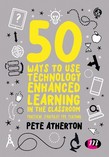
This is a practical guide to the use of technology enhanced learning (TEL) in the classroom. Introducing 50 ways to use technology for learning. Areas covered include: - Gamified learning - Social media - Video streaming - The flipped classroom - Instant feedback tools - And many more. Guidance on how to use these technologies for learning is complemented by an exploration of their impact on learning. For each example, the opportunities for evidencing progress are evaluated.
Simple, easy and effective ways to engage learners and measure their progress
This reader-friendly and accessible text introduces 50 teaching and learning approaches and explores how they work in practice by taking an honest look at the advantages and disadvantages of each one. For each approach, the authors include in-practice examples taken from a range of teaching contexts. The text also offers clear support for teachers on how they can assess learners' progress when using each approach. This focus on the need to see and measure the learning that is taking place supports the reader to concentrate on the learning and not be distracted with the newness of different approaches.
Simple, easy and effective ways to engage learners and measure their progress
This reader-friendly and accessible text introduces 50 teaching and learning approaches and explores how they work in practice by taking an honest look at the advantages and disadvantages of each one. For each approach, the authors include in-practice examples taken from a range of teaching contexts. The text also offers clear support for teachers on how they can assess learners' progress when using each approach. This focus on the need to see and measure the learning that is taking place supports the reader to concentrate on the learning and not be distracted with the newness of different approaches.
Simple, easy and effective ways to improve performance
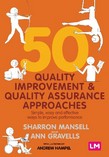
A practical guide containing 50 different quality improvement and quality assurance approaches to help improve practice. * Helps staff to improve the quality of the products and services offered * Includes practical ideas for internal and external quality assurance activities (IQA/EQA) * Helps staff to prepare for external inspections and EQA visits * Readable, relevant and easy to understand * Provides valuable ideas and tips for new and experienced quality staff * Uses simple language to explain each approach * Can help promote outstanding teaching and learning
Simple, easy and effective ways to improve performance
A practical guide containing 50 different quality improvement and quality assurance approaches to help improve practice. * Helps staff to improve the quality of the products and services offered * Includes practical ideas for internal and external quality assurance activities (IQA/EQA) * Helps staff to prepare for external inspections and EQA visits * Readable, relevant and easy to understand * Provides valuable ideas and tips for new and experienced quality staff * Uses simple language to explain each approach * Can help promote outstanding teaching and learning
Simple, easy and effective ways to assess learners
This reader-friendly and accessible text introduces 50 assessment approaches, and explores how they work in practice by taking an honest look at the advantages and disadvantages of each one. For each approach, the authors include in-practice examples taken from a range of teaching contexts. The book provides valuable ideas and tips for new and existing teachers and assessors. The text explores the advantages and disadvantage of every approach, equipping teachers with the knowledge to assess and select the correct approach for their subject and their learners. If you are a new or beginning teacher looking for new approaches to assessment to use with your learners today - this is the book you need.
Simple, easy and effective ways to assess learners
This reader-friendly and accessible text introduces 50 assessment approaches, and explores how they work in practice by taking an honest look at the advantages and disadvantages of each one. For each approach, the authors include in-practice examples taken from a range of teaching contexts. The book provides valuable ideas and tips for new and existing teachers and assessors. The text explores the advantages and disadvantage of every approach, equipping teachers with the knowledge to assess and select the correct approach for their subject and their learners. If you are a new or beginning teacher looking for new approaches to assessment to use with your learners today - this is the book you need.
Index on Censorship hits 40 with a special anniversary issue featuring its finest contributors. From celebrated Russian author Mikhail Bulgakov's diary to Chinese activist Chen Wei's online essay, the medium may have changed over four decades, but the message remains the same - as do the methods for silencing writers, whistleblowers, artists and protesters. Index examines the challenges for free speech today, looks back at the watersheds since 1972 and asks leading activists, journalists and writers around the world for their manifestos for a more outspoken world. Index on Censorship is an award-winning magazine, devoted to protecting and promoting free expression. International in outlook, outspoken in comment, Index on Censorship reports on free expression violations around the world, publishes banned writing and shines a light on vital free expression issues through original, challenging and intelligent commentary and analysis, publishing some of the world's finest writers. Winner 2008 Amnesty International Consumer Magazine of the Year
The second edition of 30 Essential Skills for the Qualitative Researcher provides practical information for the novice qualitative researcher, addressing the "how" of conducting qualitative research. The 30 listed skills are competencies that can help qualitative researchers conduct more thorough, more rigorous, and more efficient qualitative ......