American Psychiatric Association Publishing is the world’s premier publisher of books, journals, and multimedia on psychiatry, mental health, and behavioural science. We offer authoritative, up-to-date, and affordable information geared toward psychiatrists, other mental health professionals, psychiatric residents, medical students, and the general public.
APA Publishing is a division of the American Psychiatric Association. Its purpose is twofold: to serve as the distributor of publications of the Association and to publish books independent of the policies and procedures of the American Psychiatric Association. APA Publishing has grown since its founding in 1981 into a full-service publishing house, including a staff of editorial, production, marketing, and business experts devoted to publishing for the field of psychiatry and mental health.
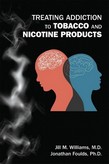
Synthesizing the latest research and literature, Treating Addiction to Tobacco and Nicotine Products provides a comprehensive analysis of assessing and treating tobacco use disorder.
The ultimate companion volume to DSM-5-TR, the Study Guide is designed to help clinical learners, teachers, and practitioners in psychiatry, psychology, and social work understand and apply diagnostic criteria.
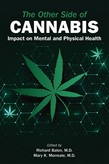
As the business of cannabis—both legal and illicit—and its use continue to grow, mental health and medical professionals must be prepared to address the effects of cannabis on the mind and body. Equipping providers with the relevant information is the intention of The Other Side of Cannabis.
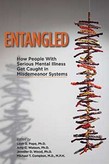
How People With Serious Mental Illnesses Get Caught in Misdemeanor Systems
People with serious mental illness (SMI) are prominently and unjustly overrepresented in the criminal legal system. More than one-third—and in some studies more than two-thirds—of those with SMI have a lifetime history of arrest.
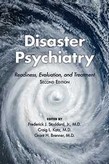
More than 10 years after the first edition was published—and spurred in part by the coronavirus disease 2019 (COVID-19) pandemic, which turned nearly all mental health professionals into de facto disaster mental health professionals—this second edition of Disaster Psychiatry remains a clinically oriented, evidence-based.
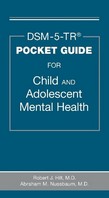
The Diagnostic and Statistical Manual of Mental Disorders, 5th Edition, Text Revision (DSM-5-TR) provides an incredibly useful evidence-based, consensus-driven framework for diagnosing mental illness in individuals.
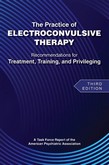
Recommendations for Treatment, Training, and Privileging (A Task Force Report of the American Psychiatric Association)
"The Practice of Electroconvulsive Therapy, Third Edition, provides a comprehensive yet practical overview of the safe and effective use of ECT, with recommendations applicable across a wide spectrum of clinical settings, including a new chapter on other neuromodulation techniques"--
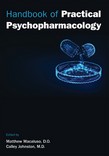
Well over 150 medications are represented in this new Handbook of Practical Psychopharmacology. Intended as a quick-reference tool for clinicians, trainees, and other practitioners, it is rich in high-yield, evidence-based, and easily accessible information for commonly prescribed psychopharmacological agents, including antidepressants, ......
Six percent of people in North America will develop borderline personality disorder (BPD) in their lifetime, and about 46% of BPD patients will also have alcohol use disorder (AUD). Alcohol use exacerbates the symptoms of both diseases, rendering treatment more challenging and increasing the risk of suicide. Integrated treatments have been lacking.