American Psychiatric Association Publishing is the world’s premier publisher of books, journals, and multimedia on psychiatry, mental health, and behavioural science. We offer authoritative, up-to-date, and affordable information geared toward psychiatrists, other mental health professionals, psychiatric residents, medical students, and the general public.
APA Publishing is a division of the American Psychiatric Association. Its purpose is twofold: to serve as the distributor of publications of the Association and to publish books independent of the policies and procedures of the American Psychiatric Association. APA Publishing has grown since its founding in 1981 into a full-service publishing house, including a staff of editorial, production, marketing, and business experts devoted to publishing for the field of psychiatry and mental health.
Correctional psychiatry is an evolving field, and serious questions remain. The work group sees an expanded role for clinicians as physician leaders, managers, and directors, more effectively advocating for their patients and helping to shape optimal care delivery systems that empower patients and support successful transition back to the ......
Written for students at every level of training, including psychiatry residents, psychology graduate students, social work students, and medical students, The Psychoanalytic Model of the Mind explains how the psychoanalytic model works and how it contributes to the care of people with mental illness.
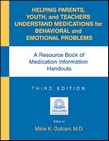
A Resource Book of Medication Information Handouts
This is a compendium of information sheets for parents and teachers on prescribed medications for psychiatric disorders. Information on specific medications can be downloaded, printed, and given to parents and teachers to help them understand the drug's purpose, possible side effects, potential interactions with food and medications, and other ......
Clinicians will, of course, find the DSM-5 (R) Handbook of the Cultural Formulation Interview indispensable, but administrators, policy makers, advocates, and other practitioners who work collaboratively to engage patients in the mental health care process will also value its clarity and comprehensiveness.
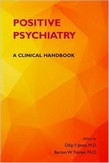
This book is designed to bring positive mental health ideas and interventions into mainstream psychiatric research, training, and clinical practice. The book successfully brings the unique skill sets and methods of psychiatry to the larger positive health movement.
This is the first book of its kind to reflect the new DSM-5 classification, which no longer identifies obsessive-compulsive disorder (OCD) as an anxiety disorder, but instead groups it with related conditions, which are now known as obsessive-compulsive and related disorders (OCRDs).
The book provides a foundation of knowledge on the social and environmental underpinnings of mental health and mental illnesses for clinical and policy decision making, with a goal to improve the mental health of individuals across diverse communities and the mental health of the nation.
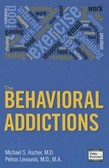
The book provides a pragmatic and engaging guide to help clinicians understand and contextualize conditions that may not be clearly delineated in the DSM-5 diagnostic system. Although not accorded a specific classification, the behaviors addressed in this book share the accepted hallmarks of addiction.