CrossCurrents connects the wisdom of the heart with the life of the mind and the experiences of the body. The journal is operated through its parent organization, the Association for Public Religion and Intellectual Life (APRIL), an interreligious network of academics, activists, artists, and community leaders seeking to engage the many ways ......
This collection of essays inverts the way we see the Cold War by looking at the conflict from the perspective of the so-called developing world, rather than of the superpowers, through the birth and first decades of India's life as a postcolonial nation. Contributors draw on a wide array of new material, from recently opened archival sources to ......
This issue of the Appalachian Heritage features writing from Jeff Hardin, Suzanne Supplee, Molly McClennen, Rita Sims Quillen, a conversation with Margaret Renkl, a craft essay from Robert Erle Barham, and more. For more information including how to subscribe to the journal please visit appalachianreview.net.
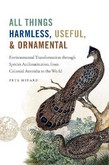
Environmental Transformation Through Species Acclimatization, from Colonial Australia to the World
Species acclimatization-the organized introduction of organisms to a new region-is much maligned in the present day. However, colonization depended on moving people, plants, and animals from place to place, and in centuries past, scientists, landowners, and philanthropists formed acclimatization societies to study local species and conditions, ......
CrossCurrents connects the wisdom of the heart with the life of the mind and the experiences of the body. The journal is operated through its parent organization, the Association for Public Religion and Intellectual Life (APRIL), an interreligious network of academics, activists, artists, and community leaders seeking to engage the many ways ......
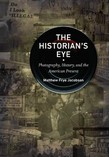
Between 2009 and 2013, as the nation contemplated the historic election of Barack Obama and endured the effects of the Great Recession, Matthew Frye Jacobson set out with a camera to explore and document what was discernible to the ""historian's eye"" during this tumultuous period. Having collected several thousand images, Jacobson began to ......
The American Civil War began with a laying down of arms by Union troops at Fort Sumter, and it ended with a series of surrenders, most famously at Appomattox Courthouse. But in the intervening four years, both Union and Confederate forces surrendered en masse on scores of other occasions. Indeed, roughly one out of every four soldiers surrendered ......
This issue of the Appalachian Review Heritage features writing from George Ella Lyon, Cathy Cruise, Catharina Coenen, Kathleen Brewin Lewis, Jeff Worley, a conversation with Jessica Chiccehitto Hindman, a craft essay from Marianne Worthington, and more. For more information including how to subscribe to the journal please visit ......
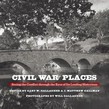
Seeing the Conflict through the Eyes of Its Leading Historians
Much has been written about place and Civil War memory, but how do we personally remember and commemorate this part of our collective past? How do battlefields and other historic places help us understand our own history? What kinds of places are worth remembering and why? In this collection of essays, some of the most esteemed historians of the ......