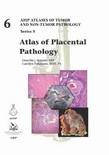
Free digital access available with every print purchase. See inside the book for more details. The placenta is an organ often neglected by surgical pathologists and clinicians alike. Placental diagnoses provide risk assessment for infant prognosis, recurrent risk for future pregnancies, and explanatory findings. There is widespread interest in ......
The human skin, as the largest organ of the body, is home to numerous neoplastic and non-neoplastic disorders. The vast majority of non-neoplastic skin diseases are inflammatory in nature, while a small subset is non-inflammatory. This book covers 194 non-neoplastic dermatologic conditions, classified by their primary microscopic tissue reaction ......
This updated fascicle is your essential guide to thyroid and parathyroid tumors, reflecting a decade of significant advancements. It adopts the 5th edition of the WHO classification, offering detailed histologic findings with a strong emphasis on differential diagnosis. You'll find comprehensive explanations of molecular pathology and genetic ......
Since the publication of the previous edition of the Tumors of the Central Nervous System there have been impactful discoveries, evolving diagnostic classifications, and rapid technical advances that have significantly reshaped the field. In the spirit of the original series, this atlas keeps diagnostic pathology at the core of the discussion, ......
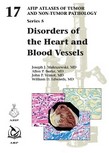
This new volume on the heart and great vessels has been expanded to become a comprehensive atlas of all cardiovascular disease, both neoplastic and non-neoplastic. In the spirit of prior editions, correlation of expertly curated pathology photographs and photomicrographs with clinical presentation, imaging and molecular genetics remains the ......
This atlas was written for general pathologists, dermatopathologists, and pathologists in training with an interest in practical diagnostic issues in the pathology of melanocytic tumors. The focus of this fascicle is on microscopic clues for diagnosis, in particular for the distinction of melanocytic nevi from melanoma. The authors also discuss ......
This comprehensive volume includes chapters on bone growth and development, bone tumor imaging, molecular genetics, and all classes of bone and joint tumors.
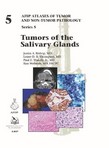
Free digital access available with every print purchase. See inside the book for more details. This book serves as a one-stop, comprehensive reference for the pathology of salivary gland neoplasms, with an emphasis on numerous high-quality, illustrative photomicrographs. The authors incorporated the most cutting-edge genetic data emerging on such ......
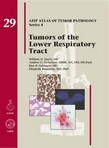
Remarkable advances have occurred since the Series 3 Fascicle published in 1995 with paradigm shifts in every dimension of our understanding of lung tumors including clinical, radiologic, histopathologic, cytopathologic, immunohistochemical, molecular and therapeutic aspects. The molecular revolution leading to effective targeted therapies and ......