Offers a systematic introduction to virtue ethics, a topic which has inspired one of the most interesting contemporary debates in ethical theory - the question of whether virtues can replace duties as the primary notion in ethical theory.
That there is a 'digital divide' - which falls between those who have and can afford the latest in technological tools and those who have neither in our society - is indisputable. This title redefines the issue as it explores the cascades of that divide, which involve access, skill, political participation, as well as the obvious economics.
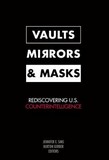
Counterintelligence is the art and practice of defeating these endeavors. The tools of counterintelligence include security systems, deception, and disguise: vaults, mirrors, and masks. This title explains the importance of counterintelligence and explores the causes of - and practical solutions for - US counterintelligence weaknesses.
Traces the importance of the Spanish language in the United States and presents an overview of the major varieties of Spanish that are spoken there. This work provides descriptions of the distinguishing characteristics of the major varieties, from Cuban and Puerto Rican, to the varieties dating back to the sixteenth and eighteenth centuries.
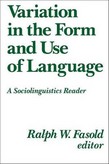
This edited volume, based on papers presented at the 2017 Georgetown University Round Table on Language and Linguistics (GURT), approaches the study of language variation from a variety of angles. Language variation research asks broad questions such as, "Why are languages' grammatical structures different from one another?" as well as more ......
This edited volume, based on papers presented at the 2017 Georgetown University Round Table on Language and Linguistics (GURT), approaches the study of language variation from a variety of angles. Language variation research asks broad questions such as, "Why are languages' grammatical structures different from one another?" as well as more ......
Designed to help adult professional and higher education learners deepen their understanding of the Uzbek language, culture, and its people, this book uses a wide selection of materials and task-oriented activities drawn from realistic situations and contexts to develop the four language skills (listening, reading, speaking, and writing).
Provides learners and instructors with a wide selection of materials and task-oriented activities to facilitate the development of language learning. This book offers a thematically organized and integrative approach to the Uzbek language and its culture, including a functional approach to grammar, and more.